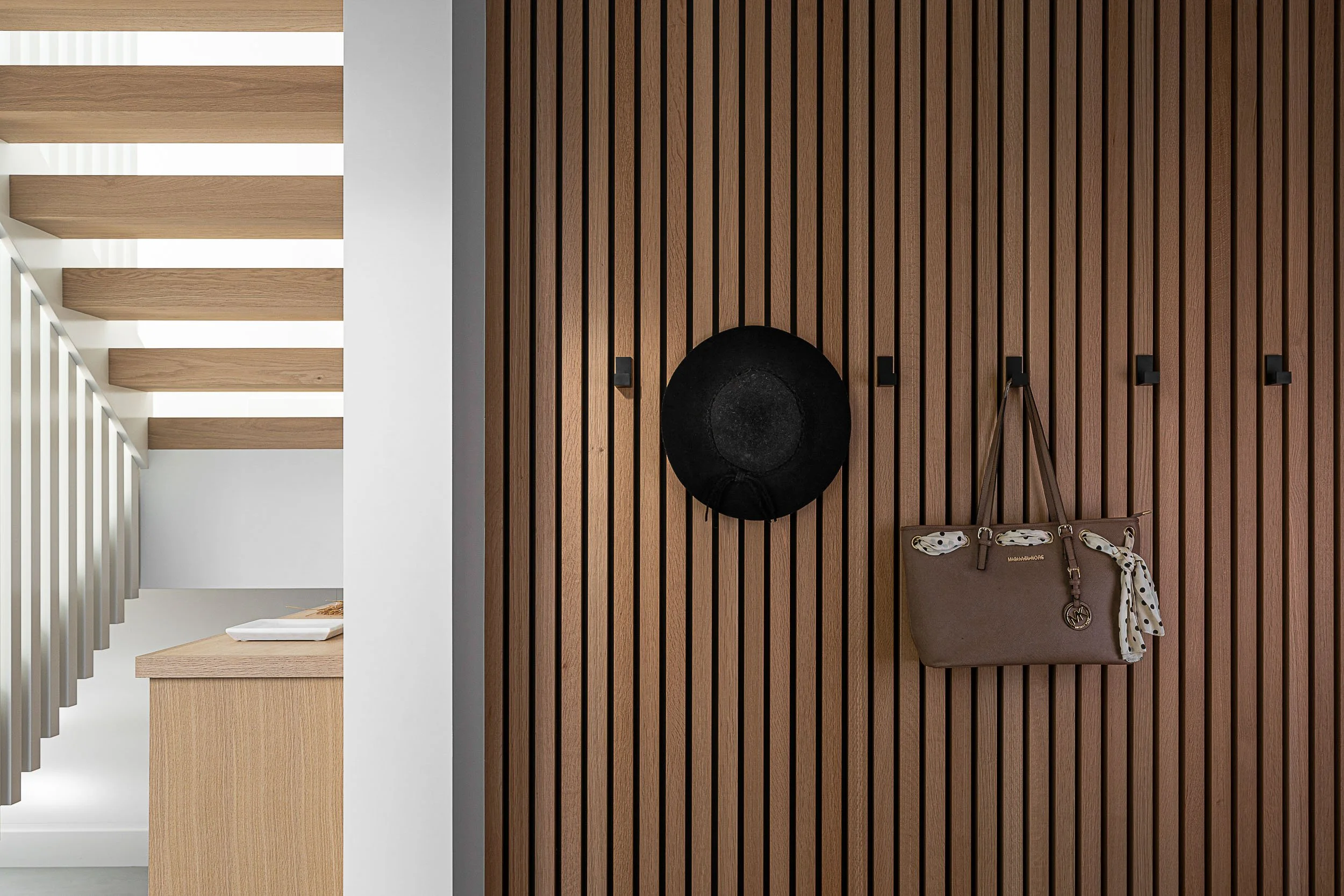
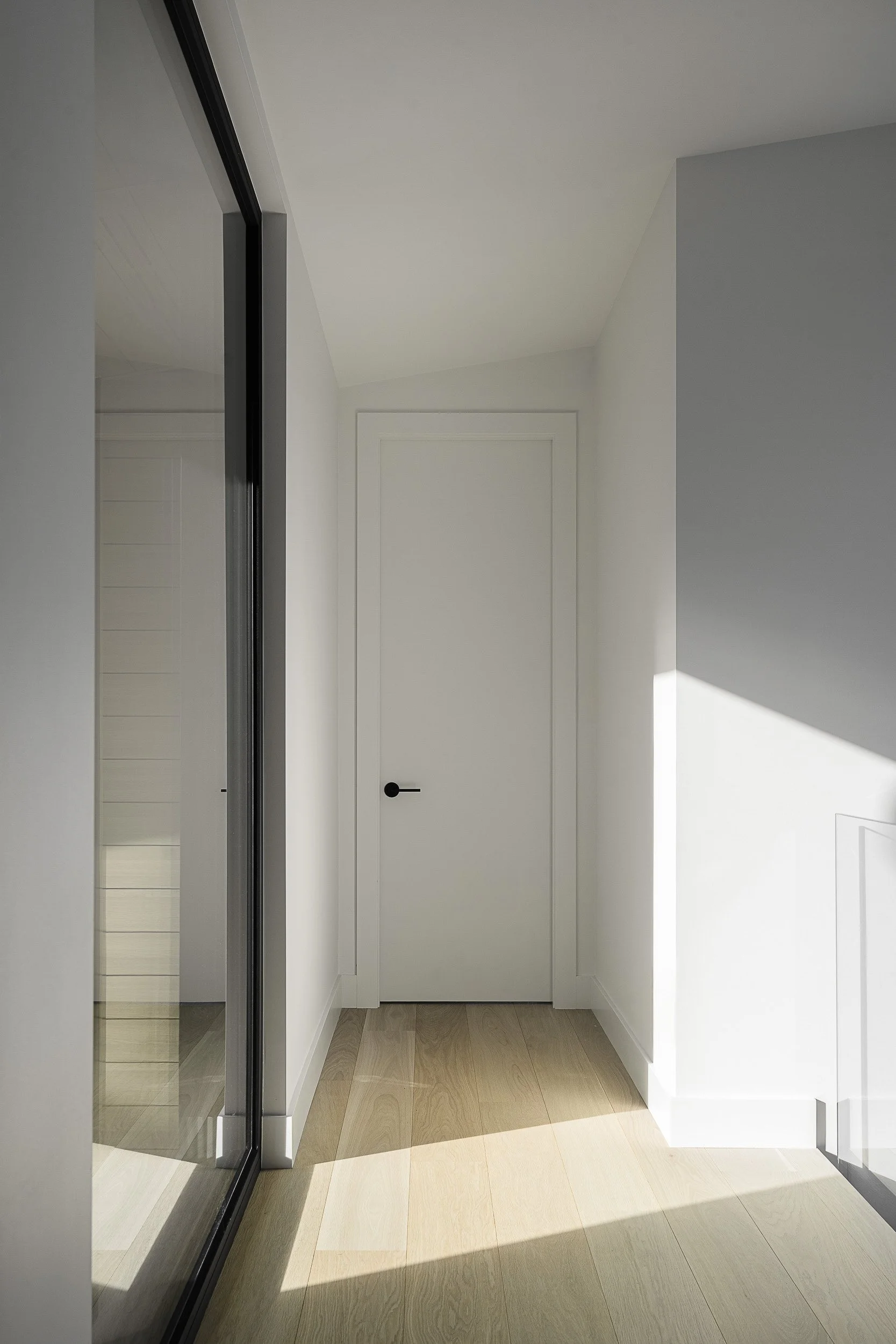
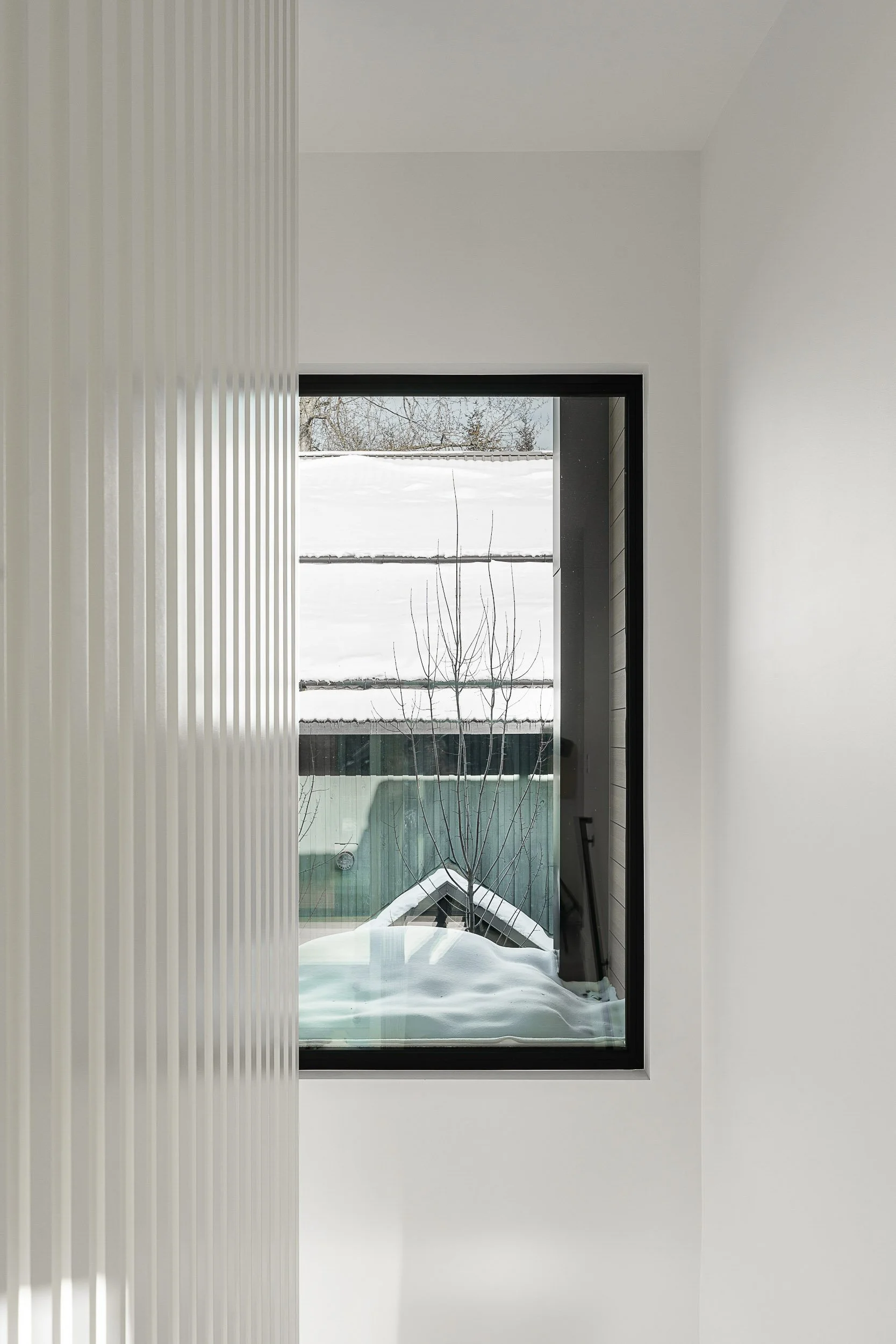
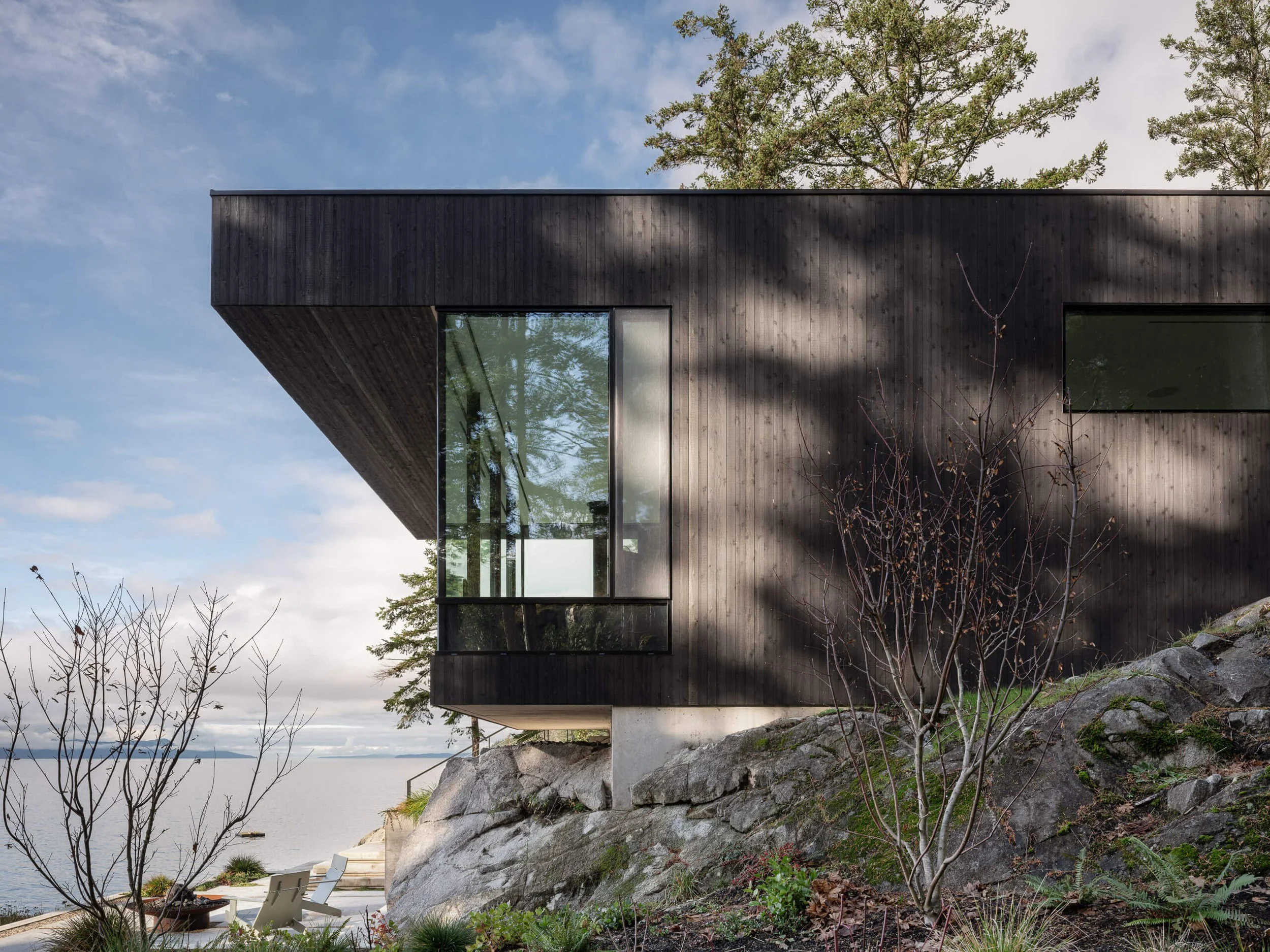
The Georgie Awards represent BC's premier recognition for residential construction, administered by CHBA BC across more than 50 categories. They celebrate excellence in design, construction, and innovation. But there's a critical detail that many entrants overlook: the judges don't know who you are. For a complete breakdown of the program, categories, and photography requirements, read our complete Georgie Awards guide.
Submissions are reviewed anonymously. The judges evaluating your entry cannot see your firm name, your architect's reputation, or your project budget. Everything they know about your work comes from the materials you submit: the written description, the floor plans, and the photographs.
That anonymity changes the stakes entirely. Your photography isn't supplementary. It's the primary medium through which judges evaluate your work.
The Anonymous Evaluation
When a judge opens your submission, they see images on a screen. No context about the neighbourhood. No knowledge of the client's brief. No understanding of the budget constraints you navigated. The photographs must communicate all of this independently.
This is fundamentally different from how clients experience your work. A prospective client visits your website already predisposed to be interested. They've been referred, or they found you through a search. They're looking for reasons to hire you. A judge is looking for reasons to score one entry higher than another. The bar is different, and the photography needs to meet it.
Category Criteria Drive Everything
Every Georgie category has specific scoring criteria. A "Best Custom Home" submission is evaluated differently than a "Best Kitchen" or "Best Interior Design" entry. Your photography should be selected and sequenced specifically for the category you're entering.
Before choosing your submission images, pull the category criteria from the call for entries document. For a custom home category, judges typically evaluate exterior design, interior spatial quality, material selection, site integration, and overall design cohesion. For a kitchen category, they evaluate layout efficiency, material quality, design innovation, and the relationship between the kitchen and adjacent spaces.
Your written description establishes what the judges should notice. Your photography provides the visual proof. Every claim in the text should have a corresponding image that supports it.
What Strong Georgie Submissions Look Like
Winning Georgie submissions share consistent patterns in their photography:
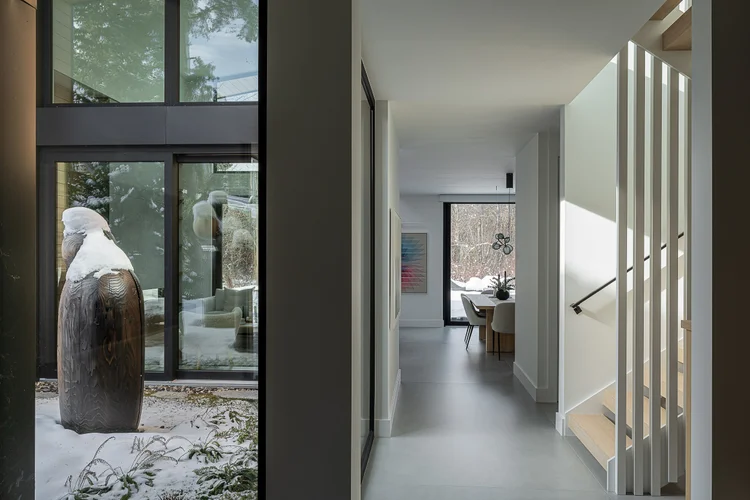
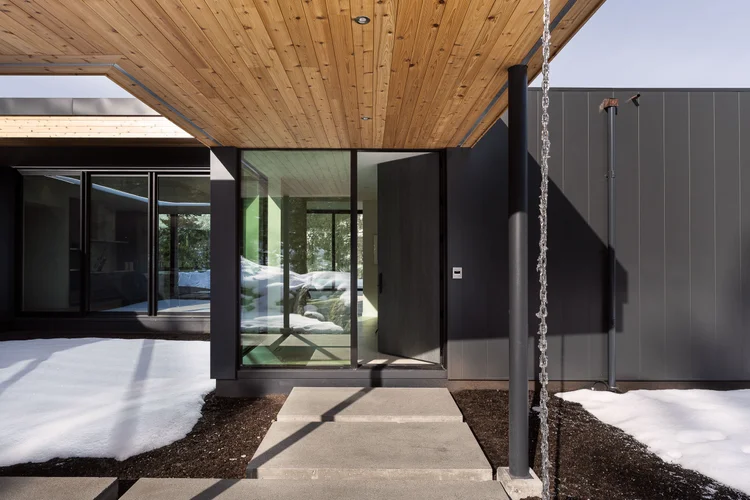
Lead with your strongest image. The first photograph sets the tone for the entire evaluation. It should be your most compelling view, typically an exterior context shot or a hero interior that immediately establishes the character of the project.
Tell a spatial story. Sequence your images logically: exterior approach, entry, main living spaces, kitchen, secondary spaces, details. The judge should feel like they're moving through the home, understanding how spaces relate to one another.
Prove every written claim. If your description mentions cedar and steel material intersections, include a detail shot showing that junction. If you describe the relationship between the living space and the landscape, include an interior shot that shows the view through the windows. Every assertion needs visual evidence.
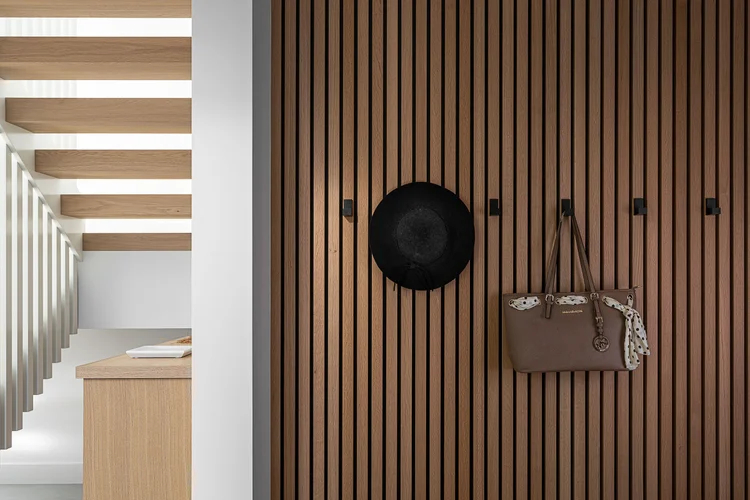
Include range. Wide establishing shots, medium interior compositions, tight detail close-ups, aerial views. Different scales communicate different qualities of the project. A submission with only wide shots misses the material story. A submission with only details misses the spatial story.
The Technical Standards
Georgie submissions must meet professional quality standards. Images should have no borders, watermarks, logos, or frames. No staged digital imagery without accompanying originals. Renovation categories require before and after shots captured from identical perspectives.
Heavy post-production manipulation risks undermining your submission. Judges who spot sky replacements, extreme HDR processing, or artificial enhancement begin to question the authenticity of the entire entry. Keep the editing natural and restrained. The design should carry the image, not the post-production.
Timing Your Shoot Around the Entry Calendar
Georgie entries have a two-year eligibility window. The entry portal typically opens in late summer with a fall submission deadline. Working backwards, the optimal timing is a September or early October shoot, which gives you two weeks for editing and image selection before the portal closes.
Rushing a shoot the week before the deadline produces compromised results. Light conditions may not be ideal. You won't have time to reshoot if conditions are poor. And the editing will be hurried rather than considered. Build in a buffer.
Georgie Submission Photography Checklist
Review category-specific scoring criteria before the shoot.
Lead with your strongest image for immediate impact.
Sequence images narratively through the property.
Photograph every claim made in your written description.
Include compositional range: wide, medium, detail, aerial.
Keep editing natural and minimal.
Capture renovation before/afters from identical angles.
Avoid deadline-pressure shooting. Build in a buffer.
Utilize every available image slot strategically.
The HAVAN and CHBA National Differences
If your project is eligible for multiple programs, understand that each has its own requirements. HAVAN requires specific photo naming conventions tied to your entry ID and defines maximum image counts per category. The CHBA National Awards receive over 1,000 entries annually, judged by nearly 300 industry professionals.
Provincial Georgie winners frequently resubmit to the national CHBA program, sometimes with upgraded or reselected imagery. Having variety from the original shoot gives you the flexibility to curate differently for each program rather than reusing the same set.
The Investment That Changes the Outcome
The firms that consistently win Georgies treat award photography as a strategic investment, not an afterthought. They budget specifically for award-focused shoots. They brief their photographer on category criteria before the shoot day. They time the shoot for optimal conditions. And they curate image sets strategically for each category.
The difference between an entry that advances and one that doesn't is often not the project quality. It's the clarity of the visual communication. Photography that's planned around the evaluation criteria gives judges exactly what they need to score your work at its true level. Learn more about how we approach this on our award and publication imagery service page.